The global beauty industry is increasingly shifting toward waterless formulations and portable product formats. In this context, stick packaging has become a practical solution for brands looking to combine convenience with formulation efficiency. From SPF protection to daily skincare routines, solid formats are gaining popularity across multiple markets.
At Her Beauty Solution, we support brand owners and filling partners in Europe, North America, and Latin America with cosmetic stick packaging designed for mass production. Our engineering approach ensures smooth application, structural stability, and compliance with international standards.
What is stick packaging in cosmetics?
Stick packaging is a solid-format cosmetic container designed for direct skin application. It is commonly used for deodorants, sunscreens, and skincare products due to its portability, controlled dispensing, and leak-proof structure.
Why Is Stick Packaging Growing in the Beauty Industry?
For brands expanding into solid formats, stick packaging offers both operational and consumer advantages.
Waterless formulations are a key driver. Solid serums, balms, and sunscreens often contain higher concentrations of active ingredients and require packaging that can maintain stability without relying on liquid systems.
From a logistics perspective, stick formats eliminate leakage risks and simplify transportation. They are especially suitable for travel scenarios, where liquid restrictions can create limitations.
Consumer behavior is another factor. With twist-up stick packaging, users can apply products directly to the skin without using their hands, which improves hygiene and convenience.
👉 sustainable packaging trends
Types of Cosmetic Stick Packaging for Skincare and Sunscreen
Different product categories require tailored cosmetic stick packaging solutions depending on formulation texture and usage scenarios.
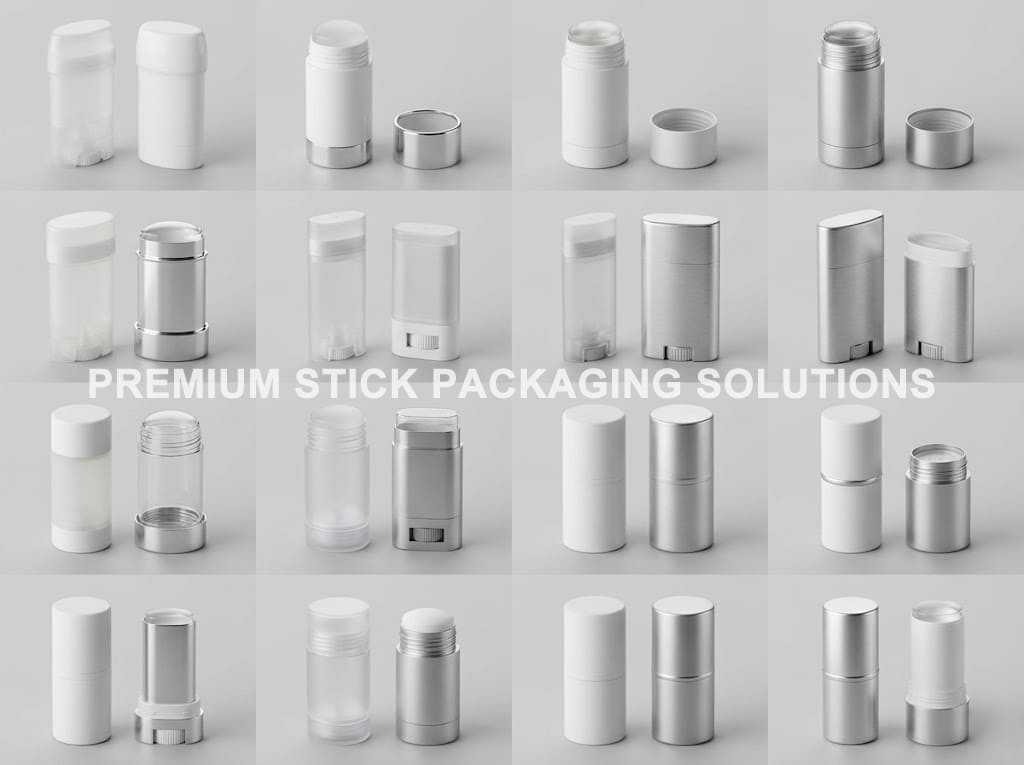
Deodorant sticks typically require durable structures that support both top-fill and bottom-fill production. A stable dial mechanism is essential to ensure consistent product dispensing. Materials such as polypropylene (PP), including recycled options, are commonly used.
Sunscreen sticks benefit from ergonomic designs such as oval or wide profiles, allowing even application. In many cases, airtight stick packaging is necessary to reduce moisture loss and maintain formula performance over time.
For skincare sticks, including solid serums and eye balms, precision becomes more important. Fine-tuned mechanisms allow controlled dispensing, while refillable cartridge systems can support sustainability goals. Materials such as PETG or aluminum are often selected for a more premium positioning.
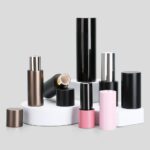
magnetic makeup stick packaging
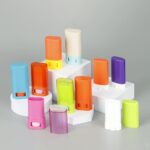
Oval Deodorant Stick Packaging
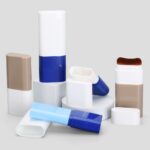
Foundation Stick Packaging
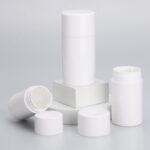
Round Deodorant Stick Packaging
How Stick Packaging Mechanisms Work in Cosmetic Design
High-quality stick packaging relies on precise mechanical engineering. Even small structural variations can significantly affect product performance and user experience.
Twist-Up Stick Packaging Mechanism (Elevator & Dial System)
The internal screw system is the core of any twist-up stick packaging. It controls how smoothly the product is dispensed. A well-designed mechanism ensures consistent upward movement without resistance or product backflow.
To improve stability, the elevator cup is engineered with internal ribs or perforations. These features help anchor the formula securely, reducing the risk of detachment during use.
Key Engineering Features of High-Quality Stick Packaging
- Twist-up elevator mechanism for smooth and controlled dispensing
- Airtight sealing to prevent moisture loss and ingredient degradation
- Structural compatibility with both top-fill and bottom-fill systems
Airtight Stick Packaging for Skincare and Sunscreen
Many solid formulations are sensitive to air exposure. Without proper sealing, ingredients may degrade or lose moisture over time.
To address this, airtight stick packaging uses inner caps or precision-fit sealing components to create a controlled internal environment. This helps maintain product stability, prevent shrinkage, and preserve performance throughout its lifecycle.
Top-Fill and Bottom-Fill Stick Packaging Design
Packaging must align with manufacturing processes. Two main filling methods are commonly used in cosmetic production.
Top-fill systems require containers that allow the formula to be poured and shaped from the top. Bottom-fill systems involve filling through the base and sealing afterward.
Designing stick packaging solutions that support both methods improves flexibility for filling factories and increases production efficiency.
Is Stick Packaging Sustainable? Materials and Refillable Solutions
Sustainability is becoming a central consideration in packaging development. In response, stick packaging is evolving with more environmentally responsible options.
Refillable systems allow consumers to replace only the inner cartridge while keeping the outer shell. This reduces material waste, although adoption depends on product positioning and user acceptance.
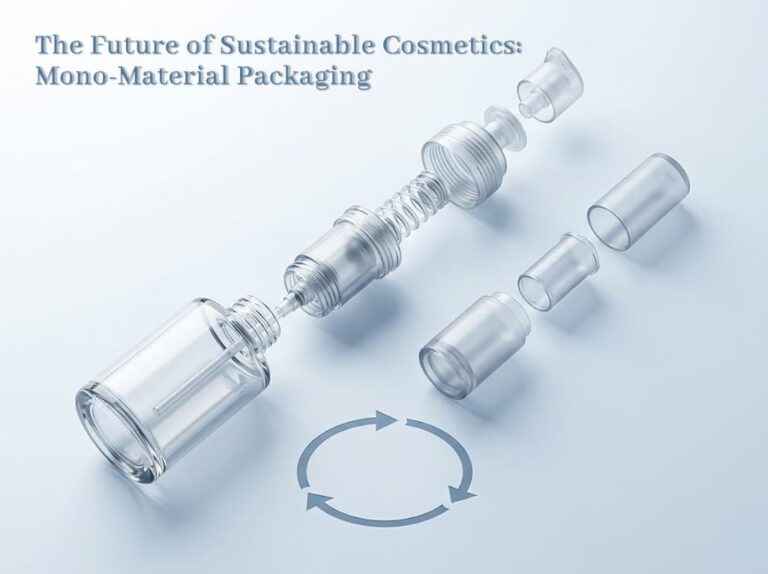
Mono-material designs, particularly those using 100% polypropylene, simplify recycling by eliminating mixed plastics.
In addition, PCR cosmetic packaging is increasingly used to reduce reliance on virgin materials. When properly engineered, PCR content can be integrated without significantly compromising structural performance.
Surface Finishing for Premium Stick Packaging
Packaging for solid products must deliver both functional and sensory value. Surface finishing plays an important role in shaping user perception.
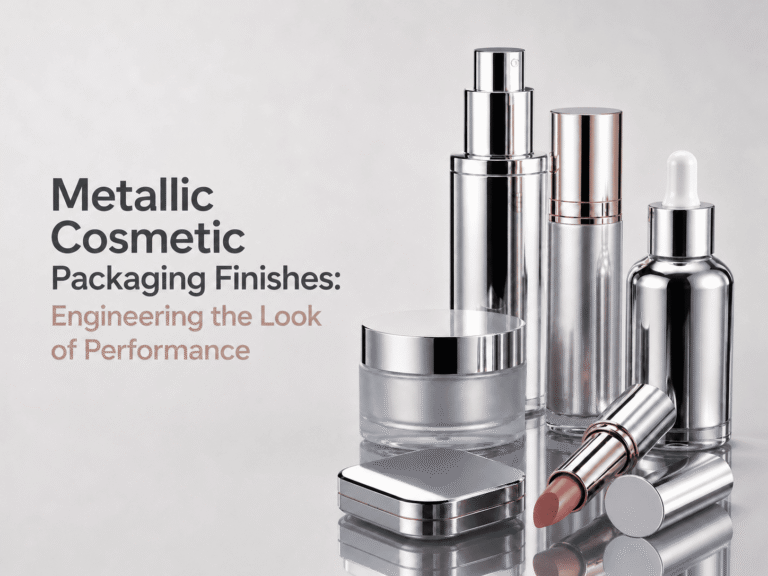
Soft-touch coatings improve grip, especially for products used in humid environments such as sunscreen sticks. Metallic finishes, achieved through UV coating or hot stamping, enhance the premium appearance of skincare products.
Silk-screen printing remains a reliable branding method. It provides durable, scratch-resistant decoration that withstands frequent handling.
Conclusion: The Future of Stick Packaging in Beauty
The rise of stick packaging reflects a broader shift toward simplified, portable, and formulation-driven beauty products. Its advantages extend beyond convenience to include manufacturing efficiency, regulatory alignment, and improved user experience.
For brands, success in this category depends on selecting the right combination of structure, materials, and engineering precision. Well-designed cosmetic stick packaging solutions can support both product performance and long-term brand positioning.
FAQ
Below are frequently asked questions about stick packaging design, materials, and applications.
1. What products are suitable for stick packaging?
Stick packaging is commonly used for deodorants, sunscreens, solid skincare products, lip balms, and solid perfumes.
2. Is stick packaging suitable for sunscreen products?
Yes. Stick packaging allows controlled application, reduces leakage risk, and is widely used for solid SPF formulations.
3. What materials are used in cosmetic stick packaging?
Common materials include PP, ABS, PETG, aluminum, and PCR plastics depending on product positioning and sustainability requirements.
4. Can stick packaging be refillable?
Yes. Many modern designs support refillable systems where only the inner cartridge is replaced.
5. What is twist-up stick packaging?
It is a mechanism where the product is dispensed by rotating a base dial, which lifts the internal cup upward.